


7 Common Grant Writing Mistakes and How to Avoid Them

Updated: Oct 27, 2025
Writing grants is one of the most important — and most challenging — tasks for nonprofits. A strong proposal can unlock the funding you need to launch programs, expand services, and build capacity. But the truth is: even great ideas get rejected when proposals fall into common traps.
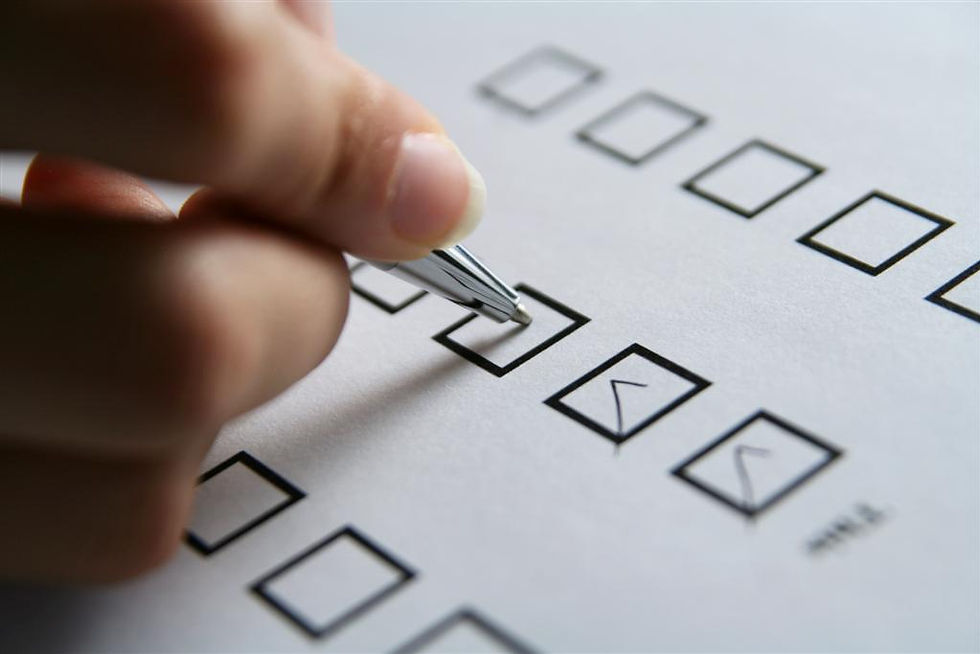
The good news? Most of these mistakes are completely avoidable. With a little foresight and the right systems, your organization can stand out and compete for funding with confidence.
Here are the seven most common grant writing mistakes we see — and practical tips to fix them.
1. Chasing Every Opportunity
The mistake: Applying for every grant you come across, even if it’s only a partial fit.
Why it’s a problem: This spreads staff thin and results in generic, low-quality applications. Funders can tell when your proposal doesn’t fully align with their priorities.
How to fix it: Create a fit checklist that includes mission alignment, geography, eligibility, and award size. Focus on fewer, stronger applications that truly match your work.
(Need help? Download our free Grant Prospecting Starter Guide to see how to evaluate fit quickly.)
2. Writing About Your Organization Instead of the Project
The mistake: Spending too much time describing your organization’s history and not enough on the specific project.
Why it’s a problem: Funders want to see how your proposal addresses a pressing community need — not just how impressive your nonprofit is.
How to fix it: Keep the organizational background short and focused. Spend the bulk of your narrative describing the problem, solution, and outcomes of your project.
3. Overusing Jargon or Buzzwords
The mistake: Using technical jargon or buzzwords that aren’t clear to a general audience.
Why it’s a problem: Reviewers may not have deep subject expertise. Overly complex language can cloud your proposal’s impact.
How to fix it: Write as though you’re explaining to a smart neighbor who isn’t familiar with your work. Use plain, powerful language and focus on the story of your impact.
4.
Ignoring the Guidelines
The mistake: Skipping small details in the application instructions.
Why it’s a problem: Even excellent proposals can be disqualified for exceeding a word count, submitting the wrong format, or missing an attachment.
How to fix it: Build a compliance checklist for each grant. Double-check requirements like margins, attachments, file type, and submission platform.
5. Weak or Unrealistic Budgets
The mistake: Submitting budgets that don’t align with your narrative, lack detail, or underestimate costs.
Why it’s a problem: A vague or mismatched budget undermines credibility. Funders want to see that you’ve thought through resources realistically.
How to fix it: Ensure every budget line is connected to an activity in your proposal. Add short justifications for unusual or larger costs.
6. Skipping the Evaluation Plan
The mistake: Failing to explain how you’ll measure success.
Why it’s a problem: Funders need evidence that their dollars are producing results. Without an evaluation plan, your proposal looks incomplete.
How to fix it: Include clear, measurable indicators — such as pre/post surveys, attendance logs, or performance data. Even simple tools strengthen your application.
7. Waiting Until the Last Minute
The mistake: Rushing to draft and submit proposals right before the deadline.
Why it’s a problem: Last-minute submissions lead to avoidable errors, weak narratives, and missed opportunities for feedback.
How to fix it: Work backward from the due date. Aim to have a full draft ready at least one week before the deadline, giving time for internal review and adjustments.
Final Thoughts
Grant writing is complex, but success often comes down to avoiding these common pitfalls. By narrowing your focus, following guidelines closely, and communicating clearly, you’ll improve your chances of standing out in a crowded field.
At Perennial Planning & Consulting, we help nonprofits prospect strategically, develop strong proposals, and build systems that increase success over time.
✨ Ready to strengthen your next proposal?
Download our free Grant Writing Mistakes Checklist!
🌿 Pro Tip: Keep this checklist in your grant writing folder. Review it before every submission to save time, strengthen your proposals, and improve your success rate.
Let’s connect and talk about how we can support your grant strategy.

Comments